That first week after forehead botox can be a lesson in nuance. Smooth lines, yes, but sometimes the brows feel like a weighted blanket. If you have ever caught your reflection and thought, why do my eyelids feel heavier than they did yesterday, you are bumping into the most common pitfall of upper face botox treatment: over-relaxing the frontalis muscle without balancing the opposing muscles. The “heavy brow” look is preventable. It comes down to anatomy, dosage, placement, and rhythm of follow-up care.
Why the forehead is tricky
The forehead sits at the crossroads of expression and function. The frontalis muscle lifts the brows. The corrugators and procerus pull them inward and down, causing glabellar lines. The orbicularis oculi around the eyes contracts to make crow’s feet. Botox injections quiet these muscles, but each change affects the others because they tug in opposite directions. If you relax the frontalis too aggressively, you remove the only muscle that elevates the brows. Gravity and the unopposed brow depressors take over, which can flatten or even drop the brow, especially laterally. The result can be a shelf-like forehead with low-sitting brows and hooded eyelids.
Understanding this push-pull is the backbone of natural looking botox. The aim is not a frozen forehead. It is controlled softening of dynamic wrinkles while preserving lift in the right places.
The heavy brow, defined by feel and by sight
Patients describe it as pressure above the eyes, difficulty keeping eyes open late in the day, or a dull sense of fatigue when reading. Visually, the brows sit closer to the lash line. Makeup may smudge under the brow bone. Photos show a flatter brow arch and less visible upper lid. Sometimes the center brow looks fine, but the tail drops, which can age the eyes more than the lines ever did.
These signs usually appear 3 to 7 days after botulinum toxin injections as the product takes effect and can persist for 6 to 12 weeks, fading as the neuromodulator wears off. The good news: this risk can be kept low with an approach that respects your baseline anatomy.
Start with your baseline, not a template
Two foreheads rarely need the same map. When I assess a new patient for botox for forehead lines or frown lines, I watch them talk. I ask them to look surprised, frown, and smile. I note eyebrow position at rest and in motion. I check for eyelid heaviness or extra skin on the upper lid. I palpate muscle thickness and look for asymmetries, including old habits from over-squinting or previous neuromodulator injections.
There are patterns. High brows at rest suggest a compensatory lift, often because the lids feel heavy or the glabella is overactive. In those faces, smoothing lines with too much forehead botox can unmask underlying ptosis. Short foreheads or strong hairline-to-brow distance change how deep an injection can go without diffusion risk. Men often have heavier frontalis muscle bellies and need more units in total, but the relative balance still matters.
Dose is not a single number, it is a distribution
People often ask, how many units do I need for botox forehead smoothing. A reasonable starting band is 8 to 20 units for the frontalis in many women and 12 to 30 units in many men. That said, the more critical question is where each unit goes. The frontalis is a vertical elevator with fibers that run up and down, thin laterally in many faces, and do not extend all the way to the brow. If you place equal units across the entire upper face, you risk overdosing the outer third and causing lateral brow drop.
Micro dosing or baby botox strategies use smaller aliquots per point, more spacing, and a layered plan across sessions. This can create wrinkle smoothing without bulk paralysis. When in doubt, start light, about 70 to 80 percent of your estimated need, then refine at a 2-week botox appointment. A conservative first pass reduces the chance of a heavy brow or asymmetric lift.
The glabella holds the key to lift
If you only treat the forehead and ignore the brow depressors, you remove lift without quieting the forces that press down. The glabellar complex includes the corrugator supercilii and procerus. Botulinum toxin injections here soften the “11s” and release downward pull. For many patients, a small amount in the glabella combined with a lighter hand in the frontalis gives a subtle botox brow lift, preventing the flat, heavy look. This is a classic pairing when chasing natural looking botox.
A practical approach: treat the glabellar lines first, or at least equally, then reevaluate the forehead need. In some cases, improving the frown lines reduces the urge to chase every horizontal line in the forehead, because the frontalis no longer needs to over-recruit to offset the tension between the brows.
Respect the no-go zone near the brow
Safe spacing from the superior orbital rim protects brow elevation. I avoid injections in the bottom 1.5 to 2 centimeters of the forehead in most patients, especially in the lateral third. Treating too close to the brow edge shuts down the elevator fibers that lift the tail. The result is a heavy outer brow and a sad, tired look. When a patient has strong lower forehead lines, I prefer feathering with very light units high in the mid-forehead and asking the patient to accept a small amount of movement low down rather than risking a weekslong drop.
For someone with prominent lateral lines from expressive smiling, the better target may be the orbicularis oculi around the eyes. Carefully placed neuromodulator injections for crow’s feet can reduce the lateral pull and reduce the appearance of those extension lines without compromising brow position.
Case notes from practice
A 38-year-old runner with a tall forehead and early crowding of the upper eyelid wanted smoother lines before a series of weddings. Her brows sat high at rest. She had strong glabellar lines and etched lateral forehead creases. Instead of chasing all the horizontal lines, we placed 12 units to the glabella across five injection points, 8 units to the mid-forehead in a high arc, and nothing in the lowest centimeter. At two weeks, we added 2 units per side to the orbicularis for crow’s feet. She kept her arch, lost the scrunch between the brows, and reported zero heaviness.
A 51-year-old man who works outdoors had deep forehead furrows and a flat brow. He wanted fewer lines but kept saying his eyes needed to feel awake. We used micro botox in the frontalis with 1 to 2 units per point, a total of 10 units placed high, and 14 units in the glabella. We left the lateral third of the forehead almost untouched. He returned relieved: fewer grooves, no heavy lid. He needed a small touch up at week two for a medial line, which we handled with 1 unit on each side above the center.
The role of skin and habits
Neuromodulators smooth dynamic wrinkles. Static etched lines from years of movement and sun may not fully disappear with botox therapy alone. If the skin is thin or photo-damaged, the lines can persist even with muscle relaxation. Expectation setting matters. A blend of botox wrinkle reduction and skin support such as sunscreen, retinoids, and, where appropriate, light resurfacing or microneedling will do more for long-term smoothing than maxing out units in a single appointment.
Habits drive expression patterns. If you raise your brows to see your screen or to apply makeup, the frontalis will overwork. Address the root: adjust screens, brighten task lighting, check your prescription lenses. Small changes reduce the need for constant elevator muscle recruitment and help botox results look natural.
Preventative strategies without the frozen look
Preventative botox works by dialing down repetitive creasing before it etches in. The trick is restraint. Light botox treatment every 3 to 6 months can soften movement enough to prevent line formation while keeping expression. Micro botox or baby botox, where the injector uses smaller doses in more points, tends to preserve facial nuance. Done well, you can raise your brows, but they rise smoothly rather than with a deep accordion fold.
Patients often ask about full face botox versus upper face botox alone. Treating the face as a system is sometimes better than spot-fixing. A subtle touch in the glabella and crow’s feet combined with a conservative forehead plan usually looks more harmonious than a heavy-handed forehead-only approach.
Managing asymmetry
No face is symmetrical. One brow often sits higher. One side may be more active. Heavy brow risk increases if you equalize dose rather than equalize effect. I measure from midpupil and track brow position to guide asymmetric dosing. The more active side needs a bit more relaxer in the depressors, not necessarily more in the elevators. Sometimes a 0.5 to 1 unit change makes the difference between a balanced arch and a droop.
If you have a history of brow asymmetry after botox cosmetic injections, tell your provider. Preemptive planning helps. Photos from before and after previous botox results are gold, because they show how your https://www.facebook.com/DRC360Spa/ muscles respond over time.
What to do if the brow already feels heavy
The product will wear off, usually in 8 to 12 weeks, with noticeable improvement by week six for many people. In the meantime, a skilled injector can sometimes lift selectively by relaxing the brow depressors. Small, carefully placed units into the lateral orbicularis oculi and the corrugators can allow the frontalis to regain a bit of lift. This is not a guaranteed fix, and it depends on the initial pattern and timing.
Home hacks are limited. Avoid excessive heat, vigorous facial massage, or inversion yoga in the first day after treatment, because diffusion risk is highest then. After that, your routine can be normal. Some patients feel better with caffeine moderation and good sleep while the forehead adapts, but these are comfort measures, not cures.
How long does botox last in the forehead
Forehead botox longevity ranges from 3 to 4 months for most patients, sometimes up to 5 or 6 months for low-movement faces or first-timers, and closer to 2 to 3 months in highly active individuals or with lighter dosing strategies. Metabolism, muscle bulk, and dose affect duration. If you value subtlety and want to avoid heaviness, you might accept a shorter interval between treatments in exchange for a lighter touch. Many patients land on a rhythm of three visits per year rather than two.
Safety, side effects, and real risks
Is botox safe for the forehead? When performed by trained clinicians using approved botulinum toxin cosmetic products at standard doses, the safety profile is strong. Common side effects include small bruises, mild tenderness, transient headache, and temporary unevenness that often settles in 7 to 14 days. The heavy brow look is a placement and balance issue, not typically a systemic reaction. Rare complications include eyelid ptosis from unintended diffusion to the levator muscle. This risk rises with injections too low in the central forehead or deep in the medial brow area. If ptosis occurs, it usually improves as the product fades. Prescription eye drops can help by stimulating a compensatory muscle to lift the lid a few millimeters.
Providers should review your medical history. Certain neuromuscular disorders, active skin infections, and pregnancy are common reasons to delay or avoid botox medical treatment. If you take blood thinners, bruising risk is higher. Herbal supplements like ginkgo, fish oil, and high-dose vitamin E can also increase bruise risk. None of these, by themselves, predict a heavy brow, but they influence planning.
The consultation that prevents the problem
A good botox consultation is hands-on. You should see your injector map where they plan to place units and explain why. They should ask about prior botox face treatment, what you liked, what felt off, and how long your results lasted. Photos help calibrate dosage. If you are new to botox skin treatment, they should recommend a staged plan with a free or low-cost touch up window at 10 to 14 days. That second visit is where subtle brow-lifting adjustments are made.
I also ask patients to rank goals: absolute smoothness, natural motion, or maximum lift. You cannot optimize all three at once. If you crave a glassy forehead and zero lines in every expression, you will trade off some lift. If you want lift above all, you will accept a hint of movement. Making that choice explicit helps both sides.
Technique details that matter
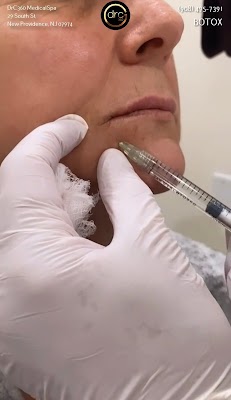
Botox needle treatment uses a fine needle, often 30 to 32 gauge. For forehead work, superficial placement into the frontalis is key. Deeper injections can spread to unintended planes. I angle slightly upward in the mid-forehead to stay intramuscular and shallow, and I reduce volume per site to control spread. For the glabella, I respect the corrugator’s origin near the bone and inject more deeply there, then more superficially laterally to catch the tail fibers. This layered approach helps target the right muscle zones and limit drift.
Spacing between sites matters. I prefer a grid with 1.5 to 2 centimeters between forehead points, offset laterally to avoid clustering near the tail. In patients prone to heavy brows, I move the lateral points higher and use fewer units there.
Cost, value, and avoiding overbuying units
Botox pricing varies by geography and practice model. Some charge per unit, often in the 10 to 20 dollars per unit range, while others charge per area. A forehead plus glabella plan can total 20 to 40 units depending on muscle strength and goals. If you are chasing a natural finish, do not feel pressured to buy a fixed “upper face” package with more units than you need. Paying per unit often aligns better with customized dosing. More product does not mean better outcome. It increases the risk of a heavy brow and shortens the feedback loop that makes botox cosmetic injections precise over time.
Maintenance without drift
With repeat treatments, your muscles can weaken slightly, which helps longevity but can also change how you express. This is where drift happens: small increments in dose or small changes in site placement from appointment to appointment can accumulate. To avoid this, keep records of dose, dilution, and point mapping. Ask your provider to annotate photos. If a lift looked perfect at 16 units across eight points with 18 units in the glabella, do not let it creep to 22 and 24 out of habit. Consistency plus minor iterative tweaks beat wholesale changes.
Two simple frameworks to keep brows light
- The 70/30 rule: plan 70 percent of your total upper face units in the depressors (glabella and, when appropriate, orbicularis) and 30 percent in the frontalis. This ratio favors lift. The high-and-light rule for the forehead: keep injections high on the forehead and use lighter units per point laterally. Preserve a no-injection buffer above the brows, especially in the outer third.
These are starting points, not laws, but they help newer patients and providers avoid the most common trap.
When a brow lift, not more botox, is the answer
Some foreheads are doing heroic work to lift heavy upper lids caused by skin excess or true levator weakness. In these cases, repeated neuromodulator injections may always risk heaviness because the frontalis is compensating. If your brows sit low and your upper lid skin drapes over the lash line, a surgical brow lift or upper blepharoplasty consult may be more appropriate than escalating botox. A light neurotoxin plan after structural correction often looks more natural and lasts longer.
A note on brands and dilution
Several cosmetic neuromodulator brands exist. They have different unit scales yet similar clinical effects when properly dosed. Conversations about botox effectiveness should include dilution and volume per site, not just brand. A high-volume, low-unit per site approach can cause more spread and unintended weakening near the brow. Consistent dilution and injector technique are as important as the label on the vial.
Putting it all together
Botox for forehead lines works best when you treat the whole story of how your brows move, not just the creases. The heavy brow look stems from over-relaxing the only muscle that lifts the brows while leaving the downward pull intact. The fixes are straightforward: balance the glabella and the forehead, keep injections high, go lighter laterally, and stage results with a planned touch up. Add in smart skin care and small habit shifts, and you can keep expression, protect lift, and still enjoy smooth skin.
If you are scheduling your next botox appointment, bring your last before and after photos. Tell your provider exactly when the forehead started to feel heavy, how long it lasted, and what you would change. Ask them to walk you through their map and to save it. Precision compounds over time. The more your plan reflects your anatomy and preferences, the more your brows will feel like your own, just better rested.
A practical pre-visit checklist
- Take clear photos at rest and with brows raised, frowning, and smiling. Bring them. Note when your previous botox results felt ideal and when heaviness, if any, started. Decide your priority for this visit: smoother lines, lighter brows, or both with a bias. Ask your provider to stage dosing with a planned 2-week touch up. Confirm they will treat the glabella if they treat the forehead, and ask where they avoid injecting near the brow.
Final thought from the chair
Patients remember how their eyes feel more than how their forehead looks. A fresh, open gaze beats a glassy forehead every time. With careful neuromodulator injections, you do not have to choose. Keep the lift, soften the lines, and leave the heavy brow to history.